Proactive Outreach for Small Businesses How to Reach the Right Customers Consistently

A good location helps until it does not. A paid ad works until the cost climbs, the audience shifts, or a competitor starts shouting louder.
Many small businesses depend on two things to bring customers in: foot traffic and ads. Both can work. Neither is enough on its own. If the street gets quiet, if a new shop opens nearby, or if online attention gets more expensive, waiting for people to notice you becomes a risky plan.
Proactive outreach gives small businesses another way forward. It puts the business in front of the right people before they start comparing discounts. It builds familiarity, trust, and real conversations. Those are harder for competitors to copy.
The goal is not to reach everyone. It is to reach the right people, consistently.

Why waiting for customers is a weak growth plan
A storefront, sign, website, or paid ad can create visibility. The problem is that visibility is fragile.
A coffee shop may rely on morning commuters, then a road closure changes the route. A salon may depend on walk-ins, then a new competitor offers steep first-visit discounts. A local print shop may run ads, then bids get more expensive and fewer people click.
None of this means the business is weak. It means the business has too few ways to create demand.
When a small business waits for customers to arrive, growth depends on factors outside its control:
Where people happen to walk
What search results happen to show
How much competitors spend
Whether customers already know what to look for
Whether a discount grabs attention first
Outreach changes the starting point. Instead of hoping a customer finds the business, the business starts a direct conversation with people who are likely to need the product or service.
That conversation may happen at a weekend market, a local event, a nearby showroom, a trade counter, a community group, or a simple phone call. The setting matters less than the habit.
Consistent outreach creates repeated familiarity. People buy from names they recognize, especially when the offer is clear and the interaction feels human.
Local events put the business where trust already exists
Local events work because people arrive open to discovery. They are not scrolling past an ad. They are walking around, asking questions, tasting samples, comparing options, and talking with people face to face.
For a small business, this is valuable space.
A bakery can offer small samples at a farmers market. A pet groomer can attend a community pet day. A fitness studio can join a local wellness event. A home cleaning service can show up at a neighborhood fair with a simple checklist for preparing a house for guests.
The point is not always to sell on the spot. Often, the better goal is to start a relationship.
A strong event plan can be simple:
Bring one clear offer
Explain it in one sentence
Give people something useful to take away
Collect contact details only when there is real interest
Follow up within a few days
For example, a local meal prep business could attend a weekend market with three sample dishes and a small card that says, “Fresh weekday lunches delivered locally.” The owner does not need a hard pitch. A short conversation about busy workdays, food preferences, and delivery areas can lead to better customers than a generic ad.
Events also reveal what people actually care about. If several people ask whether a service is available after work, that is useful. If they keep asking about family packages, that is useful. If they do not understand the offer at first glance, that is useful too.
Paid ads can show clicks. In-person outreach shows questions, hesitation, excitement, and objections. That feedback helps sharpen the offer.
Direct visits build relationships ads cannot create
Some of the best customers are close by, but they may never search for the business. They may not know it exists. They may already use a competitor out of habit. They may need the service only once a quarter, so an ad misses them at the wrong moment.
Direct visits solve this problem.
A small business can visit nearby businesses, showrooms, workshops, clinics, studios, or local service providers. The visit should be brief, respectful, and useful. No one wants a long interruption. Most people can handle a clear introduction and a relevant offer.
A simple direct visit might sound like this:
“Hi, I’m nearby and wanted to introduce myself. We help local teams with fresh lunch orders for busy days. I brought a small sample menu in case it is useful. Is there a good person to leave this with?”
That works because it is specific, polite, and low pressure.
A short introduction or sample often does more than an ad because it creates memory. People remember the person who stopped by with a useful flyer, a sample pack, a clean one-page menu, or a helpful local offer.
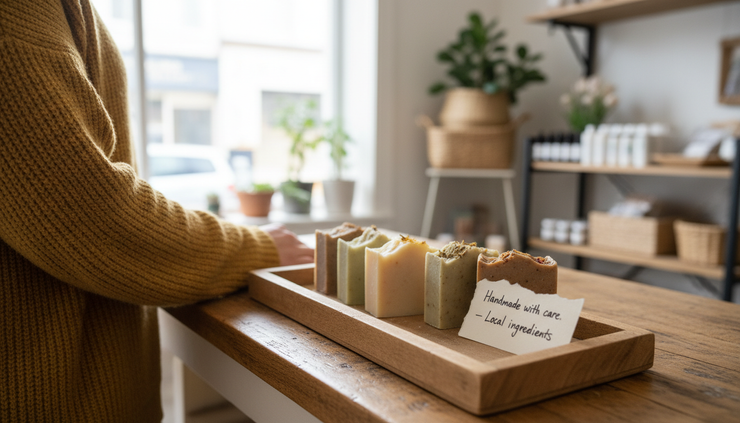
The best direct visits usually follow a few rules.
Keep it short
The goal is introduction, not a full sales pitch. A two-minute visit is often enough.
Match the offer to the place
A florist might visit event venues. A catering business might visit studios, clinics, and local shops. A cleaning company might visit property managers, small gyms, and salons.
Leave something useful
A one-page service list, sample, checklist, or first-order offer is better than a vague brochure.
Ask for the next step
That step may be an email address, the name of the right contact, permission to follow up, or a date to check back.
Track every visit
Write down where you went, who you spoke with, what they said, and when to follow up. Outreach without tracking turns into guesswork.
Direct visits can feel uncomfortable at first. That is normal. The goal is not to pressure strangers. The goal is to be known by the right local people before they need to make a buying decision.
Cold calls still work when they are clear and human
Cold calls have a bad reputation because many are lazy, scripted, and irrelevant. That does not mean phone outreach is dead. It means poor phone outreach is easy to ignore.
A good call is not a speech. It is a short, useful interruption with a clear reason.
For small businesses, calls work best when the list is focused. Calling every business in town is exhausting and usually ineffective. Calling twenty businesses that clearly match the offer is a better use of time.
A local uniform supplier might call salons, repair shops, and food service businesses. A photographer might call event venues or makers who need product photos. A mobile car detailer might call real estate agents, tradespeople, or small fleets.
The call should answer three questions quickly:
Who is calling
Why the call is relevant
What simple next step is being requested
A practical call structure can sound like this:
“Hi, my name is Sam. I run a local mobile car detailing service. I’m calling because we help small teams keep work vehicles clean without bringing them into a shop. Is vehicle cleaning something you handle in-house, or do you use someone nearby?”
This does not push a discount. It starts a conversation.
If the person is not interested, end politely. If they ask questions, answer clearly. If they mention a better contact, thank them and follow up. If they say to call back next month, write it down and actually call back next month.

The trust comes from the way the call is handled. People notice when a business is respectful, prepared, and relevant. They also notice when someone follows through.
That follow-through is where many small businesses can stand out. A competitor can copy a discount. It is harder to copy a steady pattern of thoughtful calls, timely check-ins, and reliable service.
Make the first move easy to say yes to
The first outreach step should not ask for too much. Asking someone to switch providers, place a large order, or book a full service right away may be too big.
Start with a smaller yes.
That may be:
Trying a sample
Keeping a menu or service sheet
Joining a short local email list
Booking a quick estimate
Taking a first small order
Passing details to the right person
Agreeing to a follow-up call
Small steps matter because trust grows gradually. A person who accepts a sample today may place an order next week. A business that takes a flyer today may call in two months. A contact who says “not now” may still remember the polite introduction later.
The message should stay simple. Avoid trying to explain every service at once. Lead with the most relevant offer for that audience.
For example:
A bakery visiting nearby salons could lead with staff treat boxes for Saturdays.
A cleaner visiting small gyms could lead with after-hours deep cleaning.
A photographer visiting makers could lead with product photos for small catalogs.
A meal prep service visiting local shops could lead with weekday lunch bundles.
Each offer speaks to a real situation. That is what makes outreach feel useful rather than intrusive.
The real measure is better conversations
Many small businesses think they need more attention. Often, they need better conversations.
An ad may reach a large audience that is only mildly interested. A direct visit may reach one person who can place repeat orders. A local event may produce fewer leads than an online campaign, but the leads may understand the product better. A cold call may feel old-school, but one good call can open a door that no ad would have reached.
That is the value of proactive outreach for small businesses. It creates contact with people who are more likely to care, buy, refer, or remember.
Start small. Pick one local event. Visit five nearby businesses. Make ten focused calls. Track what happens. Then repeat the useful parts next week.
Visibility can fade. Ad costs can rise. Competitors can cut prices. A steady habit of reaching the right people builds something stronger: relationships that keep working after the first conversation.


